Sinai holiday travel information
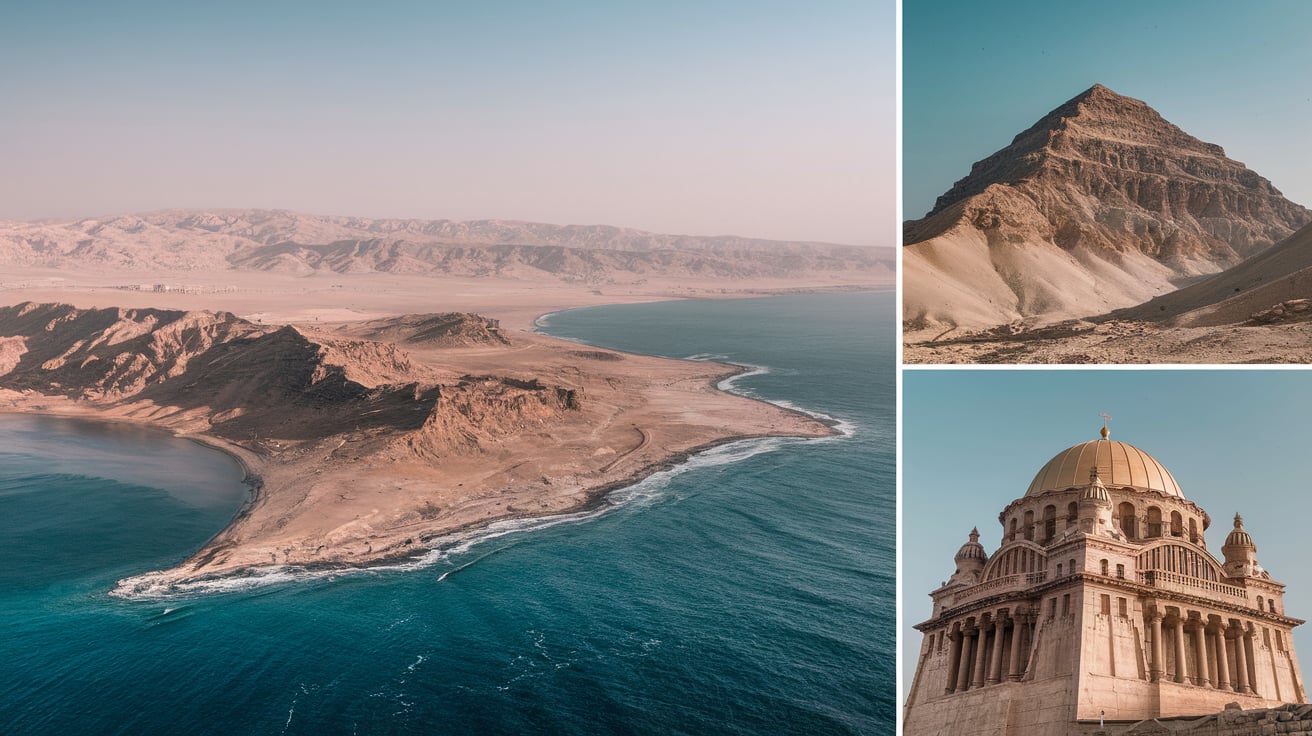
Buy air tickets to the Sinai Peninsula in Egypt and you’ll enjoy a spectacular holiday destination best suited to tourists who enjoy adventure travel.
It’s easy to find cheap tickets into the Sinai, whether you be looking for discount air tickets or a bus journey across Egypt to travel to one of the peninsula’s many holiday resorts.
Travel Through Egypt: A Guide to the Sinai Peninsula
If you’re planning travel through Egypt and want to visit the Sinai Peninsula, take a backpack and expect your holiday travel to be an adventure rather than a vacation.
Tiny settlements can be found along the Sinai coastlines offering fairly cheap beach huts or similar travel accommodation. For example, you can set up a tent at Nuweiba for less than US$5 per night.
As a general information guide, primary activities for tourists in the Sinai are diving, swimming, camel trips, windsurfing and sunbaking (or sunburning). In fact, there’s not much else to do in this part of Egypt.
It’s possible to find a cheap hotel reservation in Sharm el-Sheikh for about US$20 per night, although most accommodation is above US$30 per night.
Most tourists travel to the Sinai by land for their holiday but Egypt air services are available.
Much of northern Sinai is a huge desert sand plain running away from the Mediterranean and slowly rising into steep granite hills.
The northern capital of El-Arish (345km east of Cairo) has a long Mediterranean coastline with palm-shaded beaches and ideal conditions for wind surfers. Olive plantations are everywhere.
The southern half of the Sinai Peninsula has its own arid charm and boasts various sulphuric springs, shrines, fortresses, jagged mountains and popular diving spots including Sharm El-Maya, Ras Mohammed, Ras Om-El Sayed, Mersa ElAyat, Dahab and Nuweiba.
Diving is prohibited from sunset to sunrise and tourists must observe various environmentally-friendly regulations.
Accommodation Options
The Sinai Peninsula features a variety of affordable and minimalist lodging options:
- Beach Huts: Found in tiny settlements along the Sinai coastlines.
- Example: Set up a tent at Nuweiba for less than US$5 per night.
- Hotels:
- Cheap hotel reservations in Sharm el-Sheikh start at about US$20 per night.
- Most accommodations are above US$30 per night.
Popular Tourist Activities
When visiting the Sinai, most tourists engage in outdoor and water-based activities:
- Diving:
- Popular spots include Sharm El-Maya, Ras Mohammed, and Dahab.
- Note: Diving is prohibited from sunset to sunrise, and eco-friendly regulations apply.
- Swimming and Sunbathing: Perfect for enjoying the Sinai’s serene beaches.
- Camel Trips: Explore the desert on a traditional camel ride.
- Windsurfing: The Sinai’s coastal winds create ideal conditions.
Travel and Accessibility
Most tourists travel to the Sinai by land, but Egypt air services are also available.
-
Northern Sinai:
- A vast desert sand plain running away from the Mediterranean.
- El-Arish, the northern capital, is located 345km east of Cairo and features:
- Long Mediterranean coastline.
- Palm-shaded beaches, perfect for windsurfing.
- Abundant olive plantations.
-
Southern Sinai:
- Known for its arid charm, featuring:
- Sulphuric springs
- Shrines and fortresses
- Jagged mountains
- Diving hotspots like Ras Om-El Sayed and Mersa ElAyat.
- Known for its arid charm, featuring:
Natural Attractions
The Sinai Peninsula boasts a variety of landscapes and attractions:
- Northern Sinai:
- Expansive desert sand plains.
- Gradually rises into steep granite hills.
- Southern Sinai:
- Diverse geography with sulphuric springs and diving locations.
Tips for Visitors
- Bring suitable clothing for a mix of activities, including swimming and desert trekking.
- Follow all local diving regulations to protect the environment and ensure safety.
- Enjoy the natural charm of the region, but be prepared for minimal amenities in some areas.
The Sinai Peninsula promises adventure and unique experiences, perfect for travelers seeking to explore one of Egypt’s most intriguing regions.
Exploring the Sinai Peninsula: Climate, Landmarks, and Travel Tips
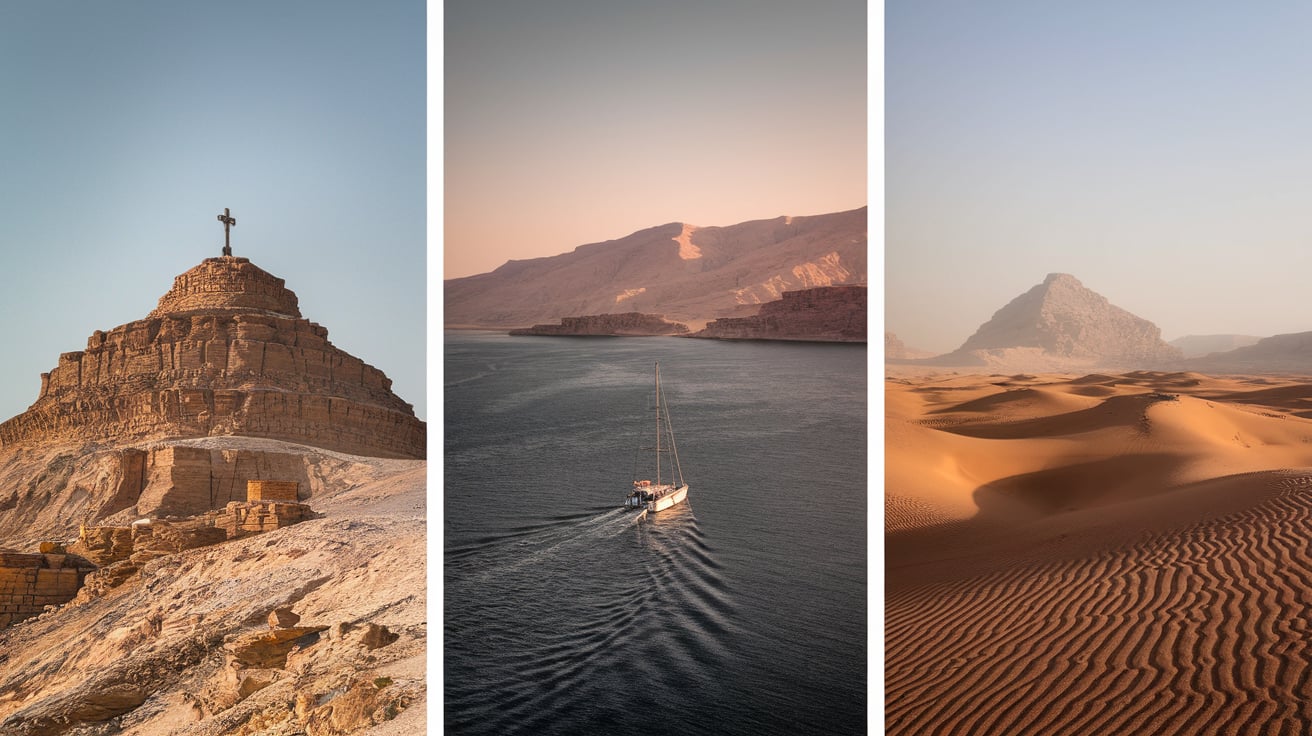
The Sinai is mostly hot and dry throughout the year. As is the case in many parts of Egypt, temperatures can vary by as much as 30 degrees Celsius between night and day, and it can be dangerously hot to travel in desert areas at the wrong time of year.
The Sinai climate varies from very hot in summer to warm in winter, when it can be advisable to travel with at least a jumper or wind jacket for the chilly nights and winds.
Daytime in winter is usually warm enough to go for a swim. A hat or head cloth might be advisable to avoid heat stroke during the hot months.
If you plan to travel inland or to climb Mt Sinai, take extra warm clothing - particularly in winter, when snow sometimes falls on the mountain.
It hardly ever rains in the Sinai. The best time to buy plane tickets is between March and May when there is some vegetation and water in the oases. Sensible dress for travel on any day of the year is a T shirt and shorts.
Mt Catherine is the highest peak in Egypt at 2,637 metres and nearby Mt Sinai is believed to be where the Old Testament says Moses received the Ten Commandments.
It’s well worth travelling east from Cairo across the Suez Canal into the Sinai Peninsula, where you can find a Red Sea coastal holiday retreat such as Hurghada or Sharm el-Sheik and divers can enjoy an underwater world of technicolor corals.
Visit the harsh Sinai inland and you’ll meet the nomadic bedouins who still wander the deserts with their camel trains. Tourists can even climb the mountain where Moses is believed to have received the Commandments from God.
The Sinai Peninsula, a region of stark beauty and historical importance, offers diverse experiences for travelers. From climbing iconic mountains to relaxing along the Red Sea coast, Sinai is a unique destination blending natural wonders and cultural insights.
Weather and Climate in Sinai
The Sinai climate is primarily hot and dry, with significant temperature fluctuations between day and night. Here’s what to expect:
- Summer: Extremely hot during the day. Protect yourself with hats or head coverings.
- Winter: Warm days suitable for swimming but cold nights—snow is not uncommon on Mount Sinai.
- Best Travel Time: March to May, when oases are in bloom.
Packing Tips:
- Lightweight clothing like T-shirts and shorts for daytime.
- Warm clothing for evenings and mountain excursions.
- A hat or head cloth to shield against the sun.
Iconic Destinations in Sinai
Mount Sinai and Mount Catherine
- Mount Sinai: Believed to be where Moses received the Ten Commandments. It’s a sacred spot and popular trekking site.
- Mount Catherine: At 2,637 meters, this is Egypt’s tallest peak.
Red Sea Coastline
- Coastal towns like Hurghada and Sharm el-Sheikh offer world-class diving and snorkeling opportunities.
- Explore vibrant coral reefs teeming with marine life.
Inland Adventures
- Nomadic Bedouins: Meet local Bedouin tribes and experience their traditional way of life.
- Desert treks reveal stunning landscapes, ancient trails, and historical relics.
Activities in Sinai
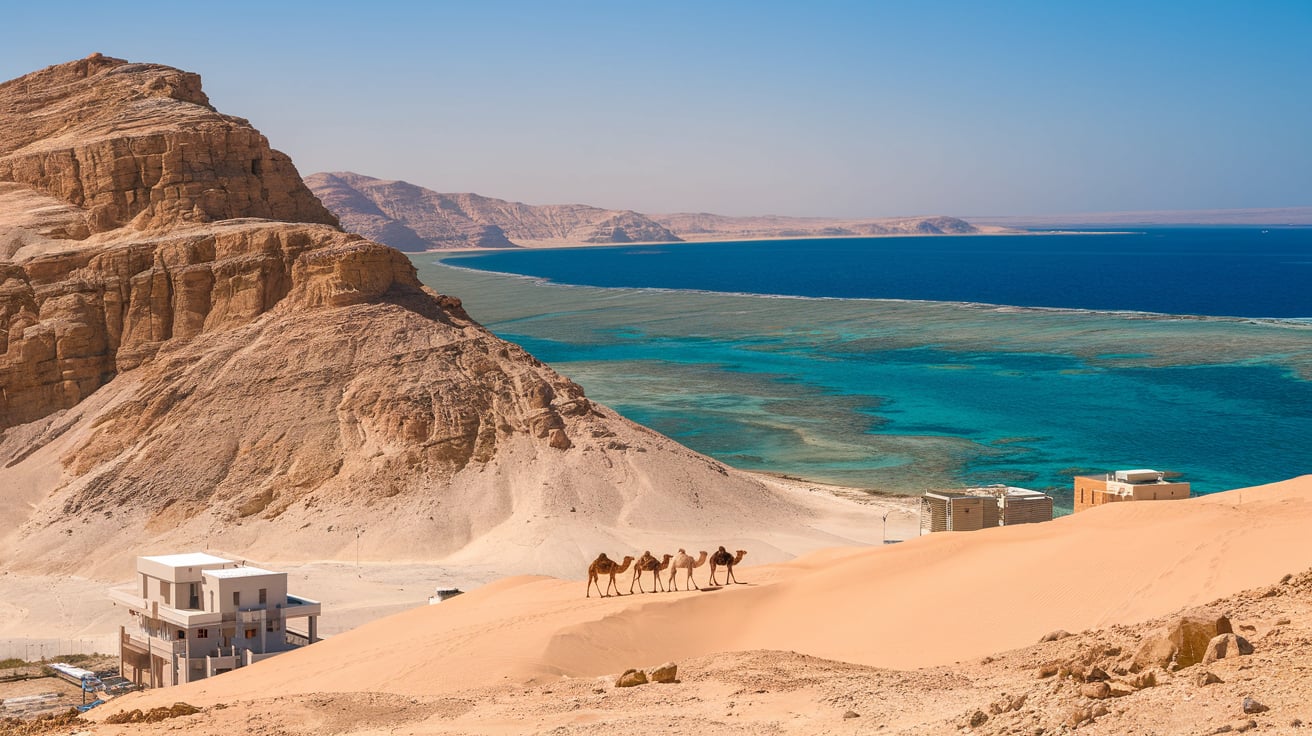
Tourists can enjoy a wide range of activities:
- Diving and Snorkeling:
- Popular spots include Sharm el-Sheikh and Ras Mohammed.
- Adhere to local eco-friendly diving regulations.
- Trekking:
- Climb Mount Sinai for breathtaking sunrises.
- Cultural Exploration:
- Visit Bedouin villages and engage in camel rides.
- Beach Relaxation:
- Unwind on pristine beaches along the Red Sea.
Travel Advice and Safety
- Clothing: Lightweight for daytime, layered for colder nights.
- Stay Hydrated: Carry water during all treks and outdoor activities.
- Plan Ahead: Book accommodations early, especially for popular destinations like Sharm el-Sheikh.
- Transportation: Travel east from Cairo, crossing the Suez Canal by road or flight.
The Sinai Peninsula offers something for every traveler, from spiritual journeys to underwater adventures. Plan your trip carefully to make the most of this remarkable region!
Historical and Cultural Highlights of the Sinai Peninsula
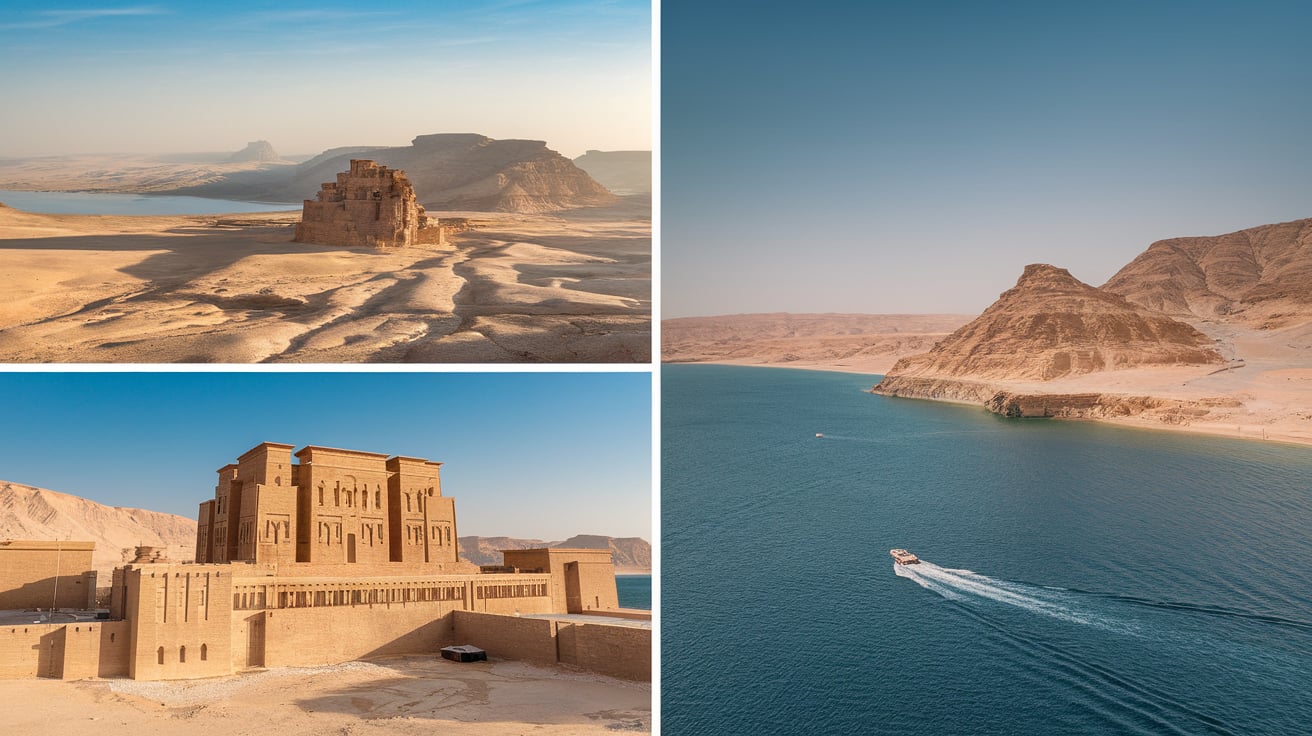
The Sinai has seen many famous figures dot its history including Moses, Alexander the Great, Virgin Mary and Jesus Christ.
The Sinai has also been a battleground for various wars, including clashes between Egypt and Israel from 1948 till the peace agreements of 1979.
The Sinai slopes up to the peaks of Mt Sinai and Mt Katherine which, at 2,642 metres, is the highest point in all of Egypt.
Within a total Sinai population around 500,000, about 80,000 bedouins live on the peninsula, along with about 40,000 army staff and plenty of people employed in the tourism industry. Tourists usually outnumber locals.
Most people on the Sinai coasts speak English, French or German but inland bedouins are more likely to only speak Arabic.
Before you buy your plane tickets and begin your travel to the Sinai, be mindful that it’s mostly an arid and inhospitable peninsula, albeit beautiful, and you shouldn’t expect all the mod cons of life.
For example, take a dozen or so rolls of film because they cost a lot more in the Sinai and the extreme heat means the quality of the film might be questionable if it’s been stored too long.
It’s also wise to take and wear a pair of sunglasses or glasses as the dust in the Sinai can be terrible and you need to protect your eyes.
Major cities, towns and sites worth visiting during your holiday travel in the Sinai include:
- Sharm el-Sheikh
- Ras Mohammed
- Dahab
- Nuweiba
- Taba
- Rafah
- Sheikh Zoueid
- Rommana
- El-Tor
- Ras Sudr
- St Catherine
- Sudr fortress built in 1187AD
- Nuweiba fortress built by the Turks in the 18th century
- El-Tor fortress built in 1520AD
- El-Arish Fortress
- Nakhl Fortress built in 1516AD
- Hammam Pharaohs - hot sulphuric spring used to cure rheumatic and skin ailments
- Djebel “Hammam Moussa” - seven hot sulphuric springs north of El-Tor
- Wadi Ferran - historic religious centre known for its vegetable and fruit crops
- The Temple of Serabit El-Khadem built by the pharaohs north-west of Ferran
- The shrine of Prophet Haron near El-Safsafa Mountain
- The shrine of Prophet Saleh 10km from St Catherine
- Ras Mohammed nature reserve in southern Sinai
The Sinai Peninsula is steeped in history and cultural significance, serving as a crossroads for ancient civilizations and a stage for pivotal historical events. While it offers a wealth of beauty and adventure, travelers should be mindful of its complex history and current challenges.
Historical Significance
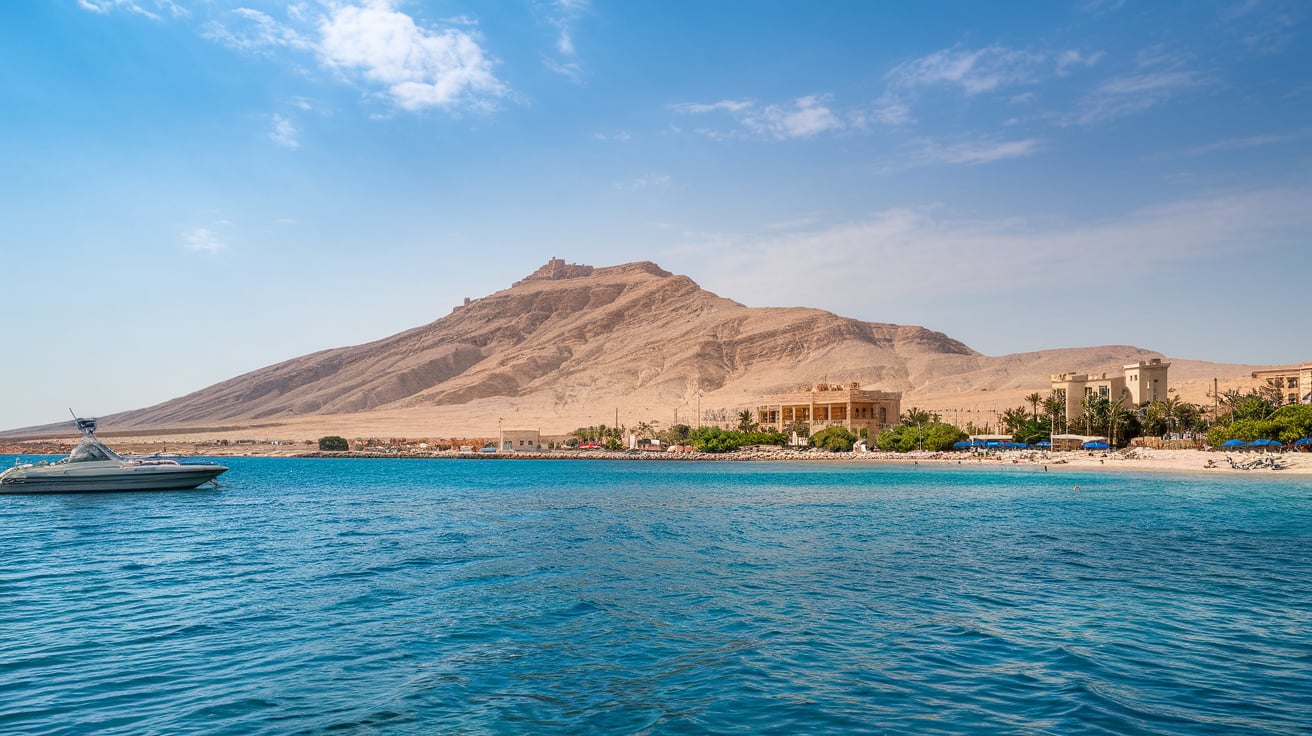
The Sinai has played host to numerous historical figures and events:
- Notable Figures:
- Moses: Associated with Mount Sinai and the Ten Commandments.
- Alexander the Great: Passed through the region during his conquests.
- Virgin Mary and Jesus Christ: The peninsula features sites of religious significance tied to their journey.
- Battleground of Wars:
- Conflicts between Egypt and Israel spanned from 1948 until the 1979 peace agreements.
Geography and Landmarks
The Sinai’s rugged terrain includes Egypt’s highest peaks:
- Mount Sinai: A sacred site tied to Moses.
- Mount Catherine: Standing at 2,642 meters, it is Egypt’s highest point.
Other key sites include:
- Historical Fortresses:
- Sudr Fortress (1187 AD)
- El-Tor Fortress (1520 AD)
- Nakhl Fortress (1516 AD)
- Nuweiba Fortress (18th century Turkish origin)
- El-Arish Fortress
- Religious Shrines:
- Shrine of Prophet Haron near El-Safsafa Mountain.
- Shrine of Prophet Saleh 10km from St. Catherine.
- Hot Springs:
- Hammam Pharaohs: Renowned for curing skin and rheumatic ailments.
- Djebel Hammam Moussa: Seven hot sulphuric springs near El-Tor.
- Temples and Nature Reserves:
- Temple of Serabit El-Khadem: Built by the Pharaohs northwest of Wadi Ferran.
- Ras Mohammed Nature Reserve: A protected area known for its biodiversity.
Cultural Insights
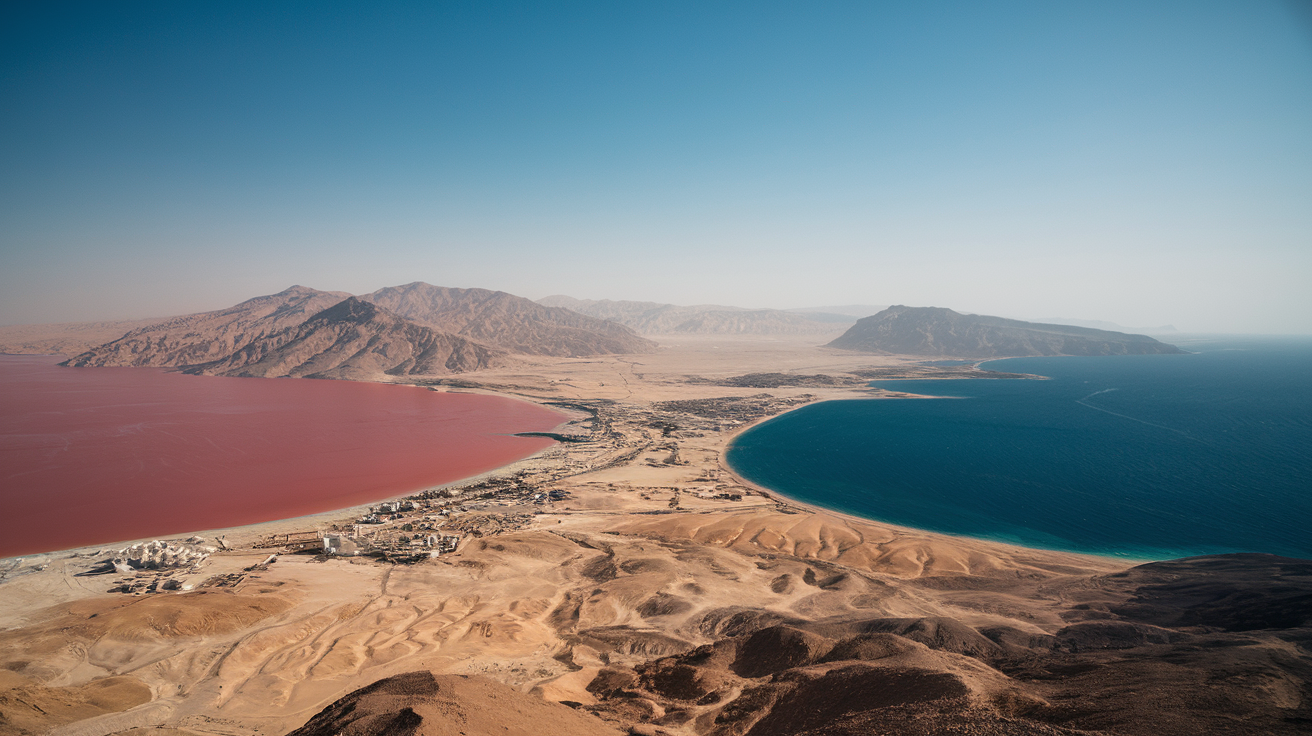
The Sinai is home to diverse populations:
- Approximately 500,000 residents, including:
- 80,000 Bedouins: Known for their nomadic lifestyle.
- A significant number of tourism industry workers.
- Army personnel maintaining security.
- On the coasts, English, French, and German are widely spoken, but inland Bedouins primarily speak Arabic.
Practical Travel Tips
Traveling through the Sinai requires preparation due to its arid environment and limited infrastructure:
- Essentials to Pack:
- Sunglasses or protective eyewear: To shield against frequent dust storms.
- Film or extra storage: Prices for photography supplies are significantly higher, and heat can damage stored film.
- Mind the Climate:
- Extreme heat and limited vegetation make the peninsula beautiful yet inhospitable.
- Safety Precautions:
- Monitor the political situation before planning your visit.
- Be cautious in remote areas, particularly near border zones.
Must-Visit Cities and Sites
Major cities and points of interest include:
- Sharm el-Sheikh: A hub for diving and luxury resorts.
- Dahab, Nuweiba, Taba, Rafah, Sheikh Zoueid, and Rommana: Coastal towns offering beachside retreats and cultural experiences.
- El-Tor: Known for its fortresses and hot springs.
- St. Catherine: A gateway to Mount Sinai and religious landmarks.
- Wadi Ferran: A historic religious center with vibrant agriculture.
The Sinai Peninsula offers a unique blend of historical significance, natural beauty, and cultural richness. While its remote and rugged character poses challenges, the rewards of exploring this extraordinary region are well worth the effort.