Germany Cheap Travel Guide: Exploring Germany on a Budget
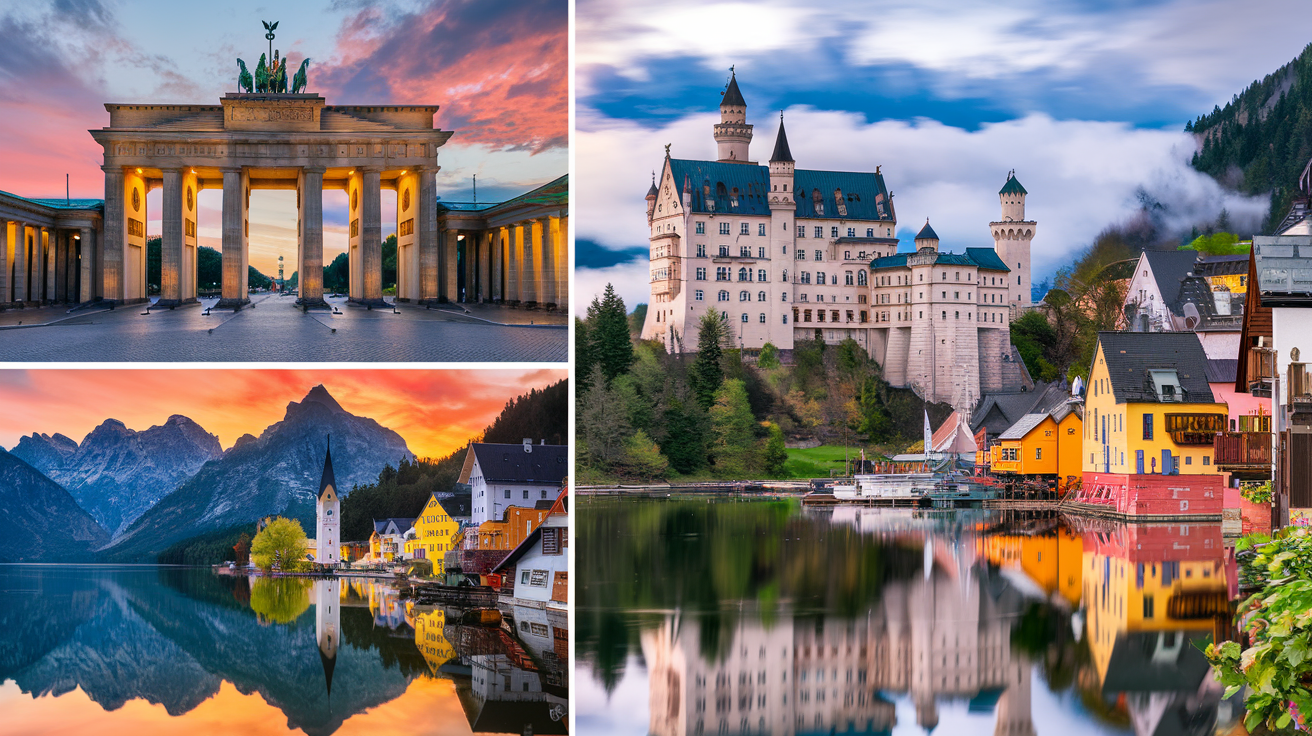
Travel to the Federal Republic of Germany and you’ll find yourself touring a country covering 357,868 square kilometres, populated by almost 82 million people with 74% living in urban areas and 3.5 million in the capital city of Berlin. Turks and Slavs are sizable minorities.
If you book travel tickets to tour Germany, they’ll guide you to the richest and most populous nation in western Europe.
Germany cheap travel
Discovering Historic Cities
Travel cheap in Germany presents you with a broad choice of historic cities through which to tour, each with its own:
- Exquisite architecture that spans centuries
- Artistic treasures in world-class museums
- Cultural heritage preserved in historic districts
Local Culture Immersion
A great way to experience the various domestic cultures of Germany is to travel from city to city a few weeks at a time during your vacation or holiday tour. Some benefits include:
- Authentic experiences with local communities
- Regional cuisine exploration
- Festival participation throughout the year
Eco-Friendly Transportation
A maze of bicycle paths criss-cross the countryside and a healthy, intimate way to meet the locals is to cycle between the many towns, villages and cities that dot Germany’s landscape. Cycling offers:
- Sustainable travel options
- Close connection with nature
- Flexibility in exploration
Natural Landscape
More than a third of Germany is covered with forests and woodland, more than a third is under intense cultivation, and there is little wildlife. The landscape features:
- Dense forests spanning vast areas
- Agricultural regions with rich history
- Protected natural areas throughout the country
Terrain Diversity
The geography of Germany is basically divided into:
- Northern Region: Low plains with distinct features
- Central Region: Rolling uplands with varied terrain
- Southern Region: Mountain ranges with dramatic views
- Baltic Coast: Unique marshland and sand dunes
Agricultural Importance
There is intensive agriculture in the rich alluvial soils of Germany’s north-eastern plains, characterized by:
- Fertile farmland supporting local economies
- Traditional farming methods preserved
- Modern agricultural practices integrated
Looking to plan your German adventure? Use this guide to explore the country’s diverse regions and experiences.
Germany Travel Guide: Weather & Best Times to Visit
If you book travel tickets to Germany for your next vacation, be warned that the country has a somewhat unpredictable climate and adequate clothing should be brought for cold, wet days followed by sunny days.
Winters are wet and cold and summers sometimes become quite warm. Intermittent rain is possible throughout the year in Germany.
Dependent upon latitude, the average temperature in July varies from 16 to 20 degrees Celsius and in January from 1 to 6 degrees Celsius.
The best time for holiday travel in Germany is from May to October, although winter trips are becoming more and more popular because of the lure of snow skiing.
Winter is particularly wet in the south of Germany and consistent snow usually falls only in the highlands.
The climate varies from freezing to hot in the south of the country, dependent upon the time of year and your altitude or latitude, so make sure you take adequate clothing to suit both extremes throughout your vacation travel.
Germany’s winter temperatures can drop to less than minus 6 degrees Celsius in the mountains and 1 degree Celsius elsewhere.
Autumn is a good time to enjoy moderate weather and fewer tourists during your holiday travel in Germany.
Understanding German Weather Patterns
If you book travel tickets to Germany for your next vacation, be warned that the country has a somewhat unpredictable climate and adequate clothing should be brought for cold, wet days followed by sunny days.
Seasonal Overview
- Winters are wet and cold
- Summers can become quite warm
- Year-round precipitation is common throughout Germany
Temperature Ranges
Dependent upon latitude, the average temperatures vary:
- July: 16 to 20 degrees Celsius
- January: 1 to 6 degrees Celsius
Best Times to Visit
The best time for holiday travel in Germany is from May to October, although winter trips are becoming more and more popular because of the lure of snow skiing.
Regional Weather Variations
- Winter is particularly wet in the south of Germany
- Consistent snow usually falls only in the highlands
- The climate varies from freezing to hot in the south, depending on:
- Time of year
- Altitude
- Latitude
Winter Specifics
Germany’s winter temperatures can drop to:
- Mountain regions: Less than minus 6 degrees Celsius
- Other areas: Around 1 degree Celsius
Travel Tip
Autumn is a good time to enjoy moderate weather and fewer tourists during your holiday travel in Germany.
Remember to pack versatile clothing suitable for both temperature extremes throughout your vacation travel.
Cheap Germany Tour Packages
Germany travel reservations and holiday ticket aren’t cheap, especially if you want to enjoy the finer points of life such as the beers, wines, restaurants and nightlife.
Budget backpackers can have a fairly boring time for about 40 euro a day on food and accommodation. Expect to spend between 80-100 euro a day on food and hostel reservations if you really want to make your Germany holiday travel worthwhile.
Germany has a huge network of hostels which are mostly easy to find but it’s worth making a travel reservation, particularly in major cities, if you travel during summer or if a festival is being staged during your holiday tour. You can find a night in a Berlin backpacker hostel for about 10 euro.
A popular but expensive way to travel through classic Germany is to take a boat trip along the Rhine River, with several companies offering fully-catered cruises, some passing through other countries such as Switzerland and the Netherlands.
The Rhine narrows between Bingen and Koblenz, winding through the Rhine Gorge for about 65 kilometres. This river stretch is a World Heritage site renowned for its picturesque towns and unbroken panorama of fortresses, castle towers, turrets and defensive walls perched atop cliffs amid terraced vineyards overlooking the Rhine.
The most scenic travel tour section is between St Goar and Rudesheim. The Rhine has rail tracks running alongside so you can easily and conveniently choose where you want to get on and off a cruise boat.
Rudesheim is a picturesque Rhine town, with narrow lanes running off its cobbled main street, Oberstrasse, down to a promenade along the river. Attractions include a medieval torture museum, a cable car up to the Niederwald monument above Rudesheim, and the flamboyant Drosselgasse street which is peppered with ornate bars, souvenir shops and restaurants.
Other German rivers with cruise travel facilities include the Danube, Elbe, Main, Moselle and Weser Rivers.
If you’re travelling near the Moselle Valley, worth visiting is the medieval town of Cochem which was first settled by Celts around 5BC. Overlooking Cochem is the stunning Reichsburg Castle, built around 1000AD, restored in 1868 and replete with stunning works of art and furnishings. Also worth visiting is the town of Bernkastel which is a 30 minute bus ride from Trier, the old city in Germany. Trier is a UNESCO World Heritage site and was 40% destroyed in World War II bombing raids, with notable surviving structures including Porta Nigra, St Peter’s Cathedral and the Church of Our Lady.
English is widely spoken in Germany and tipping isn’t normally expected, although a service charge is often included on your bill and cabbies expect a tip around 10%.
Understanding Travel Costs
Germany travel reservations and holiday tickets aren’t cheap, especially if you want to enjoy the finer points of life such as:
- Premium beers and wines
- Quality restaurants
- Vibrant nightlife
- Cultural experiences
Daily Budget Breakdown
- Basic Backpacker Budget:
- 40 euro daily for essentials
- Covers basic food and accommodation
- Recommended Budget:
- 80-100 euro daily
- Includes comfortable hostel stays
- Better dining options
- Enhanced travel experiences
Accommodation Tips
Germany offers extensive hostel networks with key features:
- Easy accessibility throughout the country
- Advance reservations recommended for:
- Summer season
- Festival periods
- Major cities
- Berlin hostel rates start from 10 euro per night
Rhine River Experience
The classic German river cruise offers:
- Fully-catered experiences
- Multi-country journeys through:
- Switzerland
- Netherlands
- World Heritage Sites including:
- Bingen to Koblenz stretch
- 65-kilometer Rhine Gorge
- Historic fortresses
- Medieval castle towers
- Terraced vineyards
Must-Visit Destinations
-
Rudesheim Highlights:
- Cobbled Oberstrasse
- Medieval torture museum
- Niederwald monument cable car
- Historic Drosselgasse street
-
Alternative River Cruises:
- Danube River
- Elbe River
- Main River
- Moselle River
- Weser River
Historical Sites
- Moselle Valley Treasures:
- Medieval Cochem: Celtic settlement from 5BC
- Reichsburg Castle: 1000AD construction
- Bernkastel: Historic town near Trier
- Trier UNESCO sites:
- Porta Nigra
- St Peter’s Cathedral
- Church of Our Lady
Practical Information
- English widely spoken
- Tipping guidelines:
- Service charges often included
- Taxi tipping: around 10%
- Check bills for included charges
Looking to explore Germany on a budget? Use this guide to plan your perfect trip while managing costs effectively.
Cheap Germany Tour Guides
There is no stereotypical German character but a greater social formality is apparent in the Protestant north of Germany. A high proportion of the overall population is well educated.
If you wish to enjoy Germany trips and you’re not a citizen of the European Union, you must have a valid passport and a return airfare for a visit up to three months.
Americans, Australians, Canadians, New Zealanders and Japanese don’t need a visa to travel in Germany. A visa is required by people from developing countries.
Citizens of the European Union can enter and travel in Germany by showing their official identity card.
Main religions are Roman Catholic and Protestant, and the major political parties in Germany are the Social Democrats (SPD), Christian Democrats (CDU), the Christian Social Alliance (CSU), the Greens, the Free Democrats (FDP) and the Democratic Socialists (PDS).
Germany has a coastline of 2,389 kilometres and shares land borders with Austria, Belgium, Czech Republic, Denmark, France, Luxembourg, the Netherlands, Poland and Switzerland.
The north of Germany is generally lowland with uplands in the centre and the Bavarian Alps to the south.
Germany is an advanced democracy with highly developed tourist and travel facilities. Many people can speak English if you need travel information, particularly the young in cities and large towns.
Cultural Overview
- Social Characteristics:
- Regional personality variations
- Northern formal traditions
- Well-educated population
- Language Accessibility:
- English widely spoken
- Youth particularly fluent
- Tourist-friendly facilities
Travel Requirements
- Non-EU Visitors Need:
- Valid passport
- Return airfare
- Up to 3-month stay permitted
Visa Information
- Visa-Free Travel:
- Americans
- Australians
- Canadians
- New Zealanders
- Japanese
- EU Citizens:
- Only ID card required
- Others:
- Visa requirements vary
- Check specific country rules
Geographic Features
- Border Statistics:
- 2,389km coastline
- Nine neighboring countries
- Terrain Variety:
- Northern lowlands
- Central uplands
- Southern Bavarian Alps
Political Landscape
- Major Parties:
- Social Democrats (SPD)
- Christian Democrats (CDU)
- Christian Social Alliance (CSU)
- The Greens
- Free Democrats (FDP)
- Democratic Socialists (PDS)
Get essential travel information and cultural insights for your German adventure.
Germany Travel Guidelines
If you hire a car during your Germany vacation, you’ll find most roads are in excellent condition for a bitumen tour. However, older roads in eastern Germany are often in need of repair.
You must have third party insurance to enter or holiday in Germany with a car or motorbike.
The average speed within German cities is 48 kmh and 97 kmh between cities. Speeds on the famous autobahns in western Germany average 130 kmh but there is no legal limit and you should always be careful changing lanes, remembering that the left lane is only for passing. It’s generally illegal in Germany to pass vehicles from the right.
Speed limits and seatbelt rules are strictly enforced wherever you travel in Germany.
Note that Germany has a superb and rapid public transport system so private transport often isn’t worth the effort if you want to travel either short or long distances during your Germany vacation.
The train system is excellent and is probably the most comfortable and cheap way to enjoy a holiday tour around Germany. Fares are still a little cheaper in many parts of the former German Democratic Republic to the east.
Germany has almost 44,000 kilometres of railway tracks and well over 40,000 kilometres of bicycle paths.
Driving Information
-
Road Conditions:
- Excellent in western regions
- Variable in eastern areas
- Third-party insurance mandatory
-
Speed Guidelines:
- City limits: 48 kmh
- Between cities: 97 kmh
- Autobahns: avg. 130 kmh (no limit)
Road Safety Rules
- Important Regulations:
- Left lane for passing only
- No right-side passing
- Strict seatbelt enforcement
- Speed limit compliance required
Public Transportation
-
Train Network:
- 44,000 km of tracks
- Excellent service quality
- Comfortable travel option
- Budget-friendly fares in east
-
Alternative Transport:
- 40,000+ km bicycle paths
- Efficient city connections
- Rapid transit systems
Travel Recommendations
- Cost-Effective Options:
- Public transport preferred
- Train travel recommended
- Bicycle-friendly infrastructure
- Regional Differences:
- Lower fares in eastern regions
- Extensive coverage nationwide
Navigate Germany efficiently with these Germany transportation travel guidelines and travel tips.
Germany Cheap Travel
How to travel cheap in germany — there are frequent train and bus connections from Germany to all of western Europe and much of eastern Europe, as well as ferry connections to Britain and Scandinavia.
A plane ticket to Germany provides delightful holiday travel through picturesque towns and villages, charming yet modern cities, medieval castles, majestic cathedrals, a smorgasbord of art, sprawling tracts of forest, and a staid, sober culture that usually relaxes with superb wines and beers.
Germany’s official currency has been the euro since 2002 and ATMs are widespread, many allowing credit card access to home accounts.
Germany simply overflows with artistic, cultural and intellectual heritage to enrich your vacation.
It is, after all, the birthplace of Johann Sebastian Bach, Ludwig van Beethoven and Johannes Brahms, among others, as well as numerous past masters of classical music and great philosophers such as Goethe, Nietzsche, Kant and Brecht.
A popular route for travellers is the famous Romantic Road, a stunning 354 kilometre journey from the River Main to the Alps which soaks up Germany’s most beautiful scenery and tasty cuisine.
The German people are generally formal and straight-laced with matters of work and business but happily let their hair down when it’s time to relax. The southern Bavarians are experts.
Germans love their beer and there are literally thousands of different ales from breweries in most towns and villages in Germany. There are more than 5,000 beers on tap from about 1,200 breweries. The world’s oldest brewery is in Bavaria.
If you want to try different beers during your travel through Germany, below are common beer types:
Bock - A sweet, strong lager with about 7% alcohol. Dopplebock is even stronger.
Hefeweizen - A faintly sweet beer made from wheat, naturally cloudy with yeast. Popular in the south of Germany.
Helles - Has a noticeable malt sweetness and less hop flavour than pilsener. “Helles” is German for “light” beer but this refers to its colour, not alcohol content. Popular in the southern region of Bavaria.
Kristallweizen - A Hefeweizen with the yeast filtered out.
Pilsener - Also called a pils, this is a light-coloured beer made from barley with a midly bitter taste of hops. This beer is common throughout the north of Germany.
Radler - A beer cut with lemon-lime soda or lemonade.
Traditional German wine country stretches from the middle Rhine at Bonn down to Lake Constance on the Swiss border, a gorgeous region with postcard views of craggy castle ruins, elegant spas and villages boasting spires and gabled houses.
German wines have improved in quality over the past decade but it’s still best to stick to white rather than red varieties.
Beware that German food is delicious but traditional dishes are loaded with cholesterol. Germans boast that they offer a wider selection of breads and unusual pastries than anywhere else in the world - 300 different types of bread and about 1200 varieties of biscuits and cakes.
German cuisine is usually heavy with meats but there are plenty of alternative, oriental and vegetarian restaurants in most cities.
Transportation Options
How to travel cheap in germany includes various options:
- Extensive train networks
- Frequent bus connections to:
- Western Europe
- Eastern Europe
- Ferry services connecting to:
- Britain
- Scandinavia
Cultural Heritage
Your holiday travel experience includes:
- Historic Architecture:
- Medieval castles
- Majestic cathedrals
- Picturesque towns
- Artistic Legacy:
- Johann Sebastian Bach
- Ludwig van Beethoven
- Johannes Brahms
- Philosophical Giants:
- Goethe
- Nietzsche
- Kant
- Brecht
Must-Experience Routes
- The Romantic Road:
- 354 kilometer journey
- Spans from River Main to Alps
- Features stunning landscapes
- Showcases regional cuisine
German Beer Guide
The country offers:
- 5,000+ beer varieties
- 1,200+ breweries
- World’s oldest brewery (Bavaria)
Popular Beer Types
-
Bock:
- Sweet, strong lager
- 7% alcohol content
- Dopplebock variant available
-
Hefeweizen:
- Wheat-based beer
- Naturally cloudy
- Popular in southern regions
-
Helles:
- Malt-forward sweetness
- Light colored brew
- Bavarian specialty
-
Other Varieties:
- Kristallweizen: Filtered Hefeweizen
- Pilsener: Light, hoppy beer
- Radler: Beer with citrus soda
Wine Country Highlights
Traditional wine region features:
- Middle Rhine to Lake Constance
- Scenic Attractions:
- Castle ruins
- Elegant spas
- Historic villages
- Wine Recommendations:
- Focus on white varieties
- Improved quality recently
Culinary Highlights
- Traditional Offerings:
- 300+ bread varieties
- 1,200+ pastry types
- Rich meat dishes
- Modern Options:
- Oriental cuisine
- Vegetarian restaurants
- Alternative dining
Discover Germany’s rich cultural heritage while traveling on a budget through this comprehensive guide.
Germany Travel Guide
Be warned, however, that the Oktoberfest can be a somewhat boisterous affair celebrating little more than the ability of different cultures, German and foreign, to get drunk and fall over.
The Winter Carnival in Germany is a bit more sober. Most large cities such as Cologne have splendid community events and parties just before Ash Wednesday.
All German shops close on Sundays, public holidays and after 8pm on weekdays, and the only way you can do some out-of-hours shopping is at service stations which have evolved into mini-markets (although shops can stay open till 4pm on the first Saturday of each month).
Goods and services in Germany always include a 16% Value Added Tax. If you buy items at a store displaying the Tax-Free for Tourists sign, it’s possible to get a cash refund of the VAT tax at all major border crossings if you can provide customs officials with the purchased goods, tax-free form and receipt.
If you’d like to put your feet up while enjoying your Germany holiday tour, you’ll be pleased to learn that the country has about 30 free-to-air public and commercial television channels, and about nine out of 10 households have cable or satellite TV.
While in Germany you can enjoy cruise rivers such as the Rhine, the Danube and the Elbe, visit the new Berlin, explore the Bavarian Alps, enjoy a traditional German spa, go boating on the Konigssee Lake, spend balmy nights in your nearest beer garden or visit the many vineyards of the Rhine and Mosel valleys to taste wines during the autumn harvest.
Deep in the south-east German state of Saxony on the banks of the Elbe River, the city of Dresden has in recent years been restoring its former glory as a cultural capital of Europe. The city celebrated its 800th anniversary in 2007. Dresden was totally razed by western bombers at the end of World War II and the city was rebuilt with fairly monotonous concrete apartment blocks. The local population has a somewhat dour, humourless reputation and are considered hillbillies by many other Germans.
Festival Experiences
- Oktoberfest Notes:
- Lively cultural celebration
- International gathering
- High-energy atmosphere
- Winter Carnival:
- More traditional events
- Community celebrations in major cities
- Pre-Ash Wednesday festivities
Shopping Information
Store Hours:
- Regular Hours:
- Weekdays until 8pm
- First Saturday: open until 4pm
- Closed on Sundays
- Alternative Options:
- Service station mini-markets
- Extended hours available
Tax Information
- VAT Details:
- 16% standard rate
- Tourist refund available
- Tax-Free Shopping:
- Look for “Tax-Free for Tourists” signs
- Keep receipts and forms
- Process refunds at border crossings
Entertainment & Activities
- Television Options:
- 30+ free-to-air channels
- Widespread cable/satellite access
Popular Attractions
- Water Activities:
- Rhine River cruises
- Danube exploration
- Elbe River tours
- Konigssee Lake boating
- Cultural Experiences:
- New Berlin visits
- Bavarian Alps adventures
- Traditional German spas
- Beer garden evenings
- Wine valley tours
Dresden Spotlight
- City Overview:
- Located in Saxony
- Cultural capital revival
- 800+ years of history
- Historical Context:
- WWII reconstruction
- Modern architecture
- Cultural regeneration
Explore Germany’s diverse attractions while understanding local customs and practical information.
Cheap Germany Travel Information
Dresden’s nearby Saxon Switzerland national park, which straddles the German-Czech border, is a land of dramatic sandstone formations, caves, cliffs, peaks, plunging ravines and verdant valleys. It is off the tourist path and provides a wealth of adventures such as the 115 kilometre Painters’ Way, or Malerweg, voted by many to be the best walking trail in Germany. The Malerweg begins at the traditional German spa town of Bad Schandau on the Elbe River, just south of Dresen. The first 72 kilometres of the Malerweg wind along the right bank of the Elbe through sandstone mountains, offering stunning views, with a river crossing by ferry at Schmilka before the path follows the left bank of the river for a further 43 kilometres to the historic market town of Pirna. Saxony was a prosperous kingdom and a summer playground of royalty and aristocracy before the bleak days of communism. Its natural beauty and historic architecture have been a drawcard for artists since the 18th century and film-makers since the 20th century.
The capital of Lower Saxony is Hannover, renowned for its landscaped parks, city forests, encircling green belt and the River Leine which meanders through its heart. Hannover is also famous for its trade fairs including CeBIT, the biggest digital IT and telecommunications trade show in the world. Much of the city was obliterated by firebombing in World War II so a majority of buildings are modern. However, Hannover still boasts grand architecture such as the 1913 Neues Rathaus (New Town Hall), the 1455 Altes Rathaus (Old Town Hall), the 1359 Marktkirche (Market Church) and the 1914 Hannover Congress Centrum.
Dresden and Meissen are two of the most popular cities for tourists in the former East Germany. Both cities celebrate their wine traditions with wine festivals, Dresden in July and Meissen in September. The Saxon Wine Route is in a wine-growing area covering about 425ha skirting 55km of the Elbe River between the old market town of Pirna, near the Czech border, and Diesbar-Seusslitz to the north-west. Travellers can explore the Saxon Wine Route by bicycle, bus tour, car or with a leisurely river cruise aboard one of Dresden’s White Fleet steamers, the oldest and biggest paddle steamer fleet in the world.
Saxon Switzerland National Park
- Geographic Features:
- Dramatic sandstone formations
- Natural cave systems
- Scenic cliff faces
- Verdant valleys
- Cross-border location with Czech Republic
The Malerweg Trail
- Trail Highlights:
- 115 kilometers total length
- Voted Germany’s best walking trail
- Route Breakdown:
- 72km along right Elbe bank
- Ferry crossing at Schmilka
- 43km along left bank
- Ends at historic Pirna
Historical Context
- Saxony’s Heritage:
- Former royal summer retreat
- Rich aristocratic history
- Artistic inspiration since 18th century
- Film location popularity
- Pre-communist prosperity
Hannover Highlights
-
City Features:
- Landscaped parks network
- Extensive city forests
- Encircling green belt
- River Leine centerpiece
-
Notable Architecture:
- Neues Rathaus (1913)
- Altes Rathaus (1455)
- Marktkirche (1359)
- Hannover Congress Centrum (1914)
Wine Region Exploration
-
Saxon Wine Route:
- 425 hectares of vineyards
- 55km along Elbe River
- Transport Options:
- Bicycle tours
- Bus excursions
- Car routes
- White Fleet steamer cruises
-
Wine Festivals:
- Dresden (July)
- Meissen (September)
Discover Germany’s hidden gems and historic treasures while exploring off-the-beaten-path destinations.
Germany Vacation Holiday Tips
Medical facilities in Germany are first class and foreigners have fairly reliable access to doctors and hospitals, although tourists are not covered by the national health insurance system and an immediate cash payment may be required.
In other words, make sure your holiday travel insurance provides adequate medical cover, despite the comparatively safe environment of Germany.
If you need to buy some prescription drugs, a pharmacy in Germany is known as an “apotheke”. Infectious diseases are rare but tickborne encephalitis can sometimes be caught in forest areas during the warmer months.
Most German banks open Monday to Friday from 8.30am to 1pm and 2.30pm to 4pm. Some banks remain open till 5.30pm on Thursdays.
Automatic Teller Machines are widespread and many are linked directly to account networks in other countries, particularly America, making currency exchange a breeze.
ATMs are available just about everywhere you travel in Germany and major credit cards are accepted in most large hotels and shops, although smaller establishments generally prefer traveller’s cheques or cash.
Pharmacies open at 8am and museums are usually closed on Mondays.
If you’re on vacation from a western country, the opening hours for money exchanges, restaurants and pubs are more or less the same as at home.
Be aware that electricity in Germany is at 220 volts and American appliances usually need a transformer and a plug that fits the German socket.
Customs regulations restrict the import or export of firearms, antiques, military artefacts (particularly World War II), business equipment and medications/pharmaceuticals.
Healthcare Information
-
Medical Facilities:
- First-class quality
- Reliable access for foreigners
- Cash payment may be required
- Travel insurance recommended
-
Pharmacy Details:
- Known as “apotheke”
- Opens from 8am
- Health Notes:
- Low infectious disease risk
- Watch for ticks in forests
- Carry necessary prescriptions
Banking & Currency
-
Bank Hours:
- Monday-Friday: 8:30am-1pm
- Afternoon: 2:30pm-4pm
- Thursday extended: until 5:30pm
-
Payment Options:
- Widespread ATM network
- International bank connections
- Major credit cards accepted
- Smaller venues prefer:
- Traveler’s checks
- Cash payments
Business Hours
- Standard Operations:
- Pharmacies: from 8am
- Museums: closed Mondays
- Similar to Western countries for:
- Money exchanges
- Restaurants
- Pubs
Practical Considerations
-
Electrical System:
- 220 volts
- Transformers needed for US devices
- Special plug adapters required
-
Customs Restrictions:
- Firearms
- Antiques
- Military artifacts
- Business equipment
- Medications
Plan ahead with these essential tips to ensure a smooth and enjoyable German vacation experience.
Germany Vacation Tips
The country has a low crime rate although tourists should nevertheless take normal precautions such as wearing a money belt, particularly if they have holiday reservations or find accommodation in the seedier side of different towns in Germany.
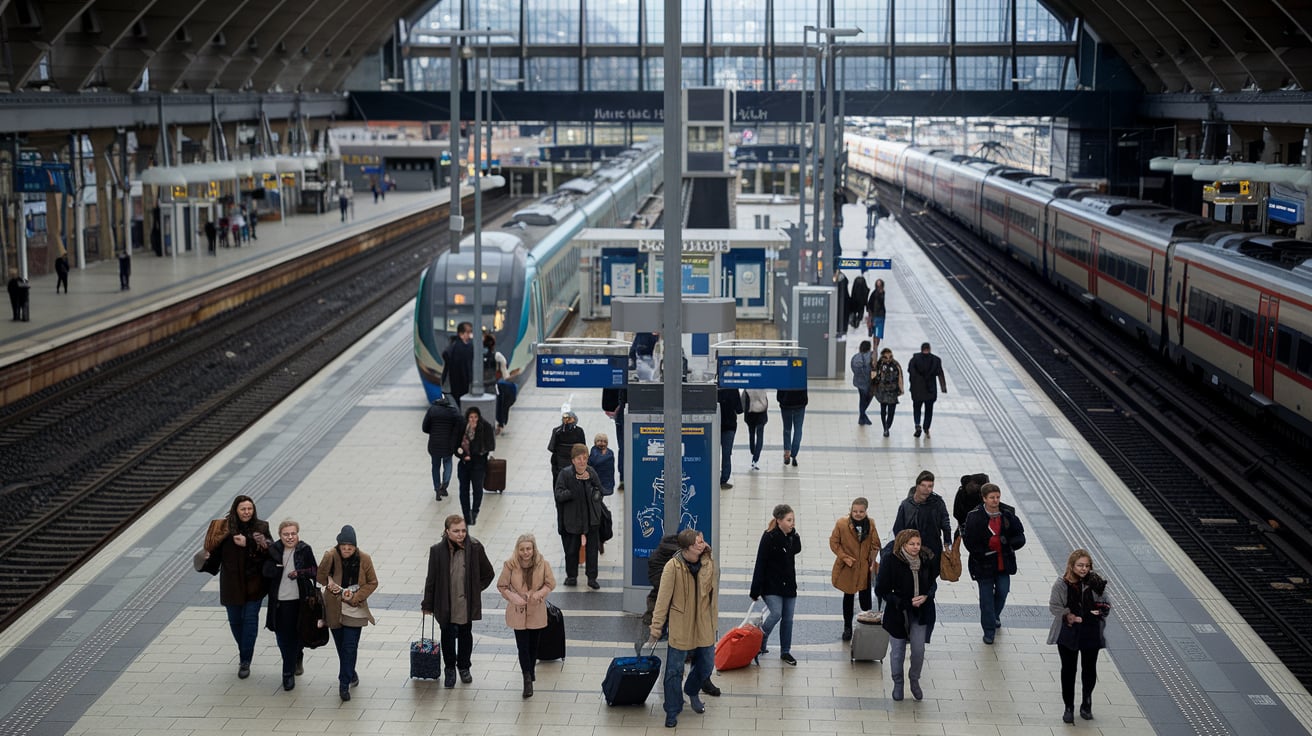
Skinhead gangs have been known to harass or assault foreigners so caution is necessary in vulnerable locations such as train stations.
Street crime is no worse in Germany than in most other western democracies.
If you have an accident or fall victim to a crime during your Germany vacation travel, the police can be contacted on 110. For fire or an ambulance, dial 112.
If you don’t speak German, it’s worth knowing that women’s toilets are marked with an F for Frauen and men’s toilets with an H for Herren. You’ll sometimes find attendants in public toilets who expect a small tip.
Speaking of which, tipping is fairly common in Germany. If your restaurant bill is marked with the word Bedienung, it means a service charge has already been added.
Otherwise, add 10% to 15%. It’s courtesy to even tip hairdressers 5% to 10%. An extra euro or two is usually a satisfactory tip for taxi drivers and waiters.
Germans normally round up prices as tips, although this can be a bit expensive when using euros.
Safety Information
- General Security:
- Low overall crime rate
- Similar to other Western nations
- Standard precautions advised
- Safety Tips:
- Use money belts
- Exercise caution at train stations
- Stay aware in unfamiliar areas
Emergency Contacts
- Important Numbers:
- Police: 110
- Fire/Ambulance: 112
- Response Systems:
- Quick emergency services
- English-speaking operators available
Language Tips
- Bathroom Signs:
- Women’s: “F” (Frauen)
- Men’s: “H” (Herren)
- Public Facilities:
- Attended toilets common
- Small tips expected
Tipping Guidelines
- Restaurant Protocol:
- Check for “Bedienung” (service included)
- Add 10-15% if not included
- Other Services:
- Hairdressers: 5-10%
- Taxi drivers: 1-2 euros
- Waiters: 1-2 euros
- Local Custom:
- Germans typically round up
- Consider euro currency value
Stay safe and culturally aware with these essential tips for your German vacation.
Germany Holiday Information
Germany is not a cheap country for a vacation but you can save quite a bit of money by avoiding major cities such as Berlin, Frankfurt and Munich.
This country is dripping with culture and you’ll generally find the accommodation is sparkling clean, restaurants provide ample quantities of quality food, trains run quickly and on time, and service personnel treat you with respect rather than disdain.
Hotels are mostly first-class but not necessarily so in the eastern half of Germany which was communist until 1990.
Travel information worth noting: clocks in Germany are put forward one hour from the end of March to the end of October. It’s also worth noting that school breaks and holidays vary from state to state.
About 17 million tourists travel to Germany each year to explore the Bavarian Alps in the south, picturesque castles along the Rhine valley, the Black Forest, the coastal north and internationally famous cities such as Frankfurt, Stuttgart, Dusseldorf, Hamburg, Heidelberg, Cologne, Dresden and Munich.
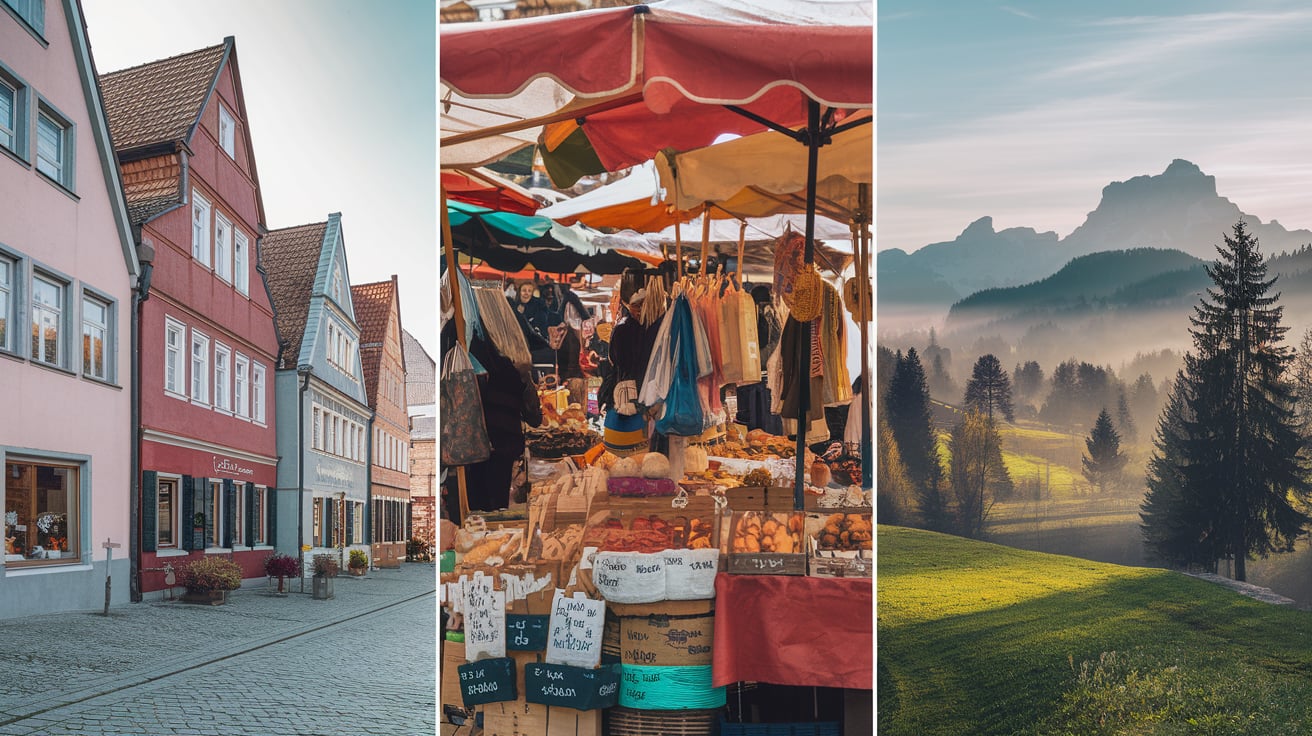
An abundant choice of quaint towns and villages can be enjoyed for a vacation in Germany’s tranquil countryside.
Almost one third of Germany is covered with forests and the highest point is Zugspitze at 2,962 metres.
Budget Planning
- Cost Considerations:
- Higher prices in major cities
- Savings possible in smaller towns
- Quality services throughout
Quality Standards
- Accommodation Features:
- Spotlessly clean facilities
- First-class hotels in west
- Varying standards in east
- Service Excellence:
- Punctual train service
- Quality restaurants
- Professional staff attitude
Important Travel Notes
- Time Changes:
- Summer time: March-October
- One hour forward adjustment
- Regional Variations:
- State-specific school holidays
- Local festival schedules
Popular Destinations
- Major Cities:
- Frankfurt
- Stuttgart
- Dusseldorf
- Hamburg
- Heidelberg
- Cologne
- Dresden
- Munich
Natural Attractions
- Geographic Highlights:
- Bavarian Alps
- Rhine Valley castles
- Black Forest region
- Coastal north
- Zugspitze (2,962m peak)
- Forest Coverage:
- One-third of country
- Abundant hiking trails
Rural Experience
- Countryside Options:
- Quaint towns
- Traditional villages
- Tranquil settings
- Cultural immersion
Experience Germany’s blend of efficiency, culture, and natural beauty while planning your perfect holiday.
Germany Cheap Travel Guide
Germany is a federation comprising 16 states, or Lander, each with its own constitution, government and parliament: Baden-Wurttemberg, Bavaria, Berlin, Brandenburg, Bremen, Hamburg, Hesse, Mecklenburg-Western Pomerania, Lower Saxony, North Rhine-Westphalia, Rhineland Palatinate, Saarland, Saxony, Saxony-Anhalt, Schleswig-Holstein, and Thuringia.
The Federal Parliament in Berlin consists of a directly elected peoples’ lower house (Bundestag) and an upper house of review representing the Germany states (Bundesrat).
The federal chancellor is a head of state elected by the Bundestag and he/she can only be replaced through the election of a successor.
Although massive investment has improved the infrastructure and lifestyle of the former communist east of Germany, there are still tangible differences. Various expenses such as accommodation are often cheaper in the east but the quality isn’t always up to western standards.
Germany is a very safe country and no vaccinations are needed prior to holiday travel, although it’s a good idea to use insect repellent in forests or rural areas as some ticks carry diseases.
Germany has an extraordinary history dating back many centuries, creating a potpourri of cosmopolitan cities, romantic castles, friendly people, cultural heritage, exciting festivals and stunning landscapes through which you can travel.
Germany’s history is dotted with occupations by invading forces, including the Roman legions from 50BC to the 5th Century AD, the Frankish conqueror Charlemagne up to the early 9th Century, and Otto the Great’s Holy Roman Empire from late in the 10th Century.
The House of Habsburb in Vienna took control of much of Germany in the 13th century but the devastating Thirty Year War from 1618 to 1648 killed about a third of the population and left the country a conglomerate of about 300 German-speaking states run by parochial princes.
Napoleon invaded and France was eventually defeated by Prussia in 1871, heralding the creation of a federated Germany.
The country was immersed in two devastating World Wars in the first half of the 20th Century, leaving it occupied by the Allied powers of the US, UK, France and the Soviet Union in 1945.
Federal Structure
- 16 German States (Länder):
- Baden-Württemberg
- Bavaria
- Berlin
- Brandenburg
- Bremen
- Hamburg
- And 10 others…
Government System
- Parliament Structure:
- Lower House (Bundestag)
- Upper House (Bundesrat)
- Leadership:
- Federal Chancellor
- Elected by Bundestag
- Succession through election
East-West Differences
- Eastern Region:
- Lower accommodation costs
- Varying quality standards
- Improved infrastructure
- Ongoing development
Travel Safety
- Health Considerations:
- No required vaccinations
- Use insect repellent in forests
- Safe travel environment
Historical Overview
-
Ancient History:
- Roman occupation (50BC-5th Century)
- Charlemagne’s rule (to 9th Century)
- Otto’s Holy Roman Empire (10th Century)
-
Middle Ages:
- Habsburg control (13th Century)
- Thirty Years War (1618-1648)
- 300 German states period
-
Modern Era:
- Prussian victory (1871)
- Federation creation
- World Wars impact
- Allied occupation (1945)
Cultural Heritage
- Notable Features:
- Cosmopolitan cities
- Historic castles
- Cultural festivals
- Scenic landscapes
- Welcoming locals
Understand Germany’s rich history and modern structure while planning your budget-friendly travel.
Germany Holiday Information
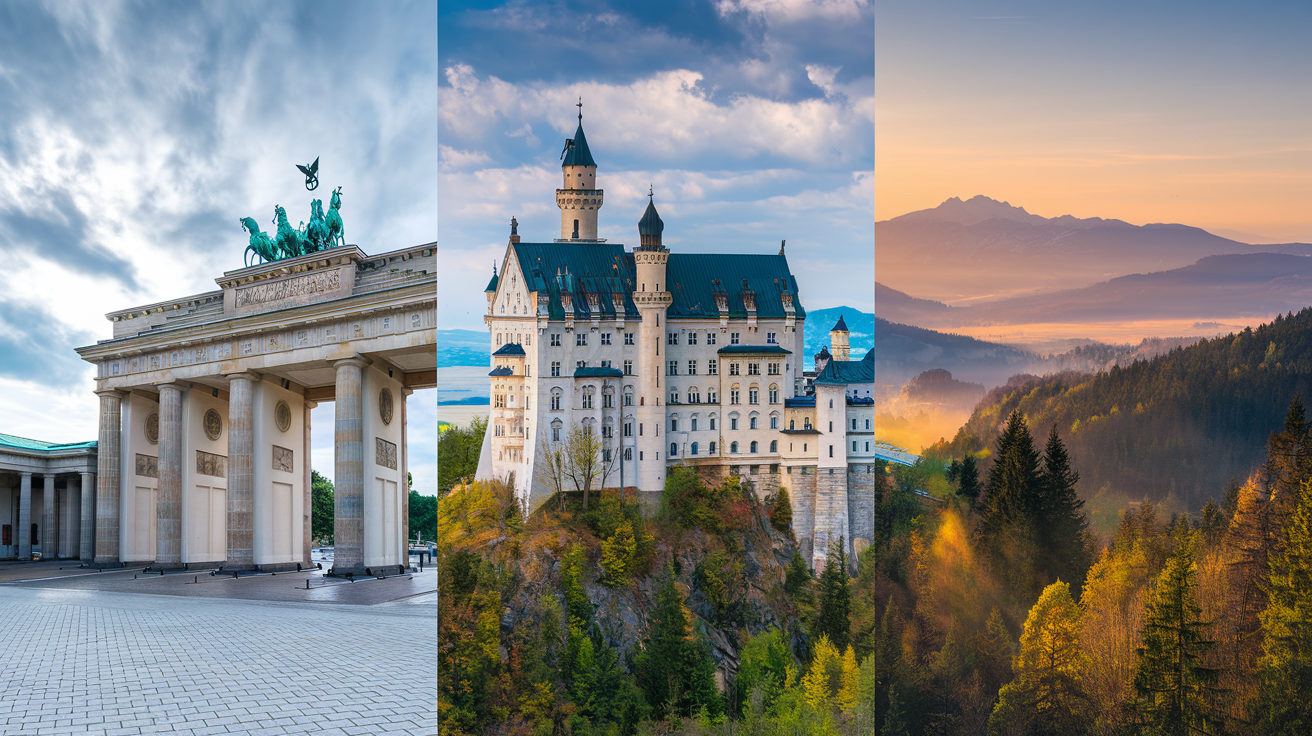
Two German states were formed in 1949: the western Federal Republic of Germany and the eastern German Democratic Republic.
The collapse of the USSR and the end of the Cold War saw Germany reunified in 1990. Much of the nation’s economy has since been devoted to bringing eastern productivity and wages up to western standards.
The Germany economy has been strengthening and in 2005 the economy had a huge trade surplus, soaring company profits and strong foreign investment, although high unemployment continues.
About 90% of Germans are Christian (almost 50% Catholic) and nearly two million are Muslim, thanks partly to the significant Turkish minority.
German women have a life expectancy of 82.44 years at birth and men live to 77.82 years on average. The German country code is 49.
Modern Historical Timeline
-
Post-War Division (1949):
- Western: Federal Republic of Germany
- Eastern: German Democratic Republic
-
Reunification Era:
- 1990 reunification
- Economic integration efforts
- Eastern development focus
Economic Overview
- 2005 Highlights:
- Strong trade surplus
- High company profits
- Significant foreign investment
- Ongoing Challenges:
- Employment concerns
- Regional disparities
Demographics
- Religious Composition:
- 90% Christian population
- 50% Catholic denomination
- 2 million Muslim residents
- Significant Turkish minority
Population Statistics
- Life Expectancy:
- Women: 82.44 years
- Men: 77.82 years
- Contact Information:
- Country code: 49
Understanding modern Germany’s transformation and current demographic makeup helps inform your travel experience.